Featured Post

Explore Home Remedies For Obesity

  Obesity is a condition characterized by excess body weight. Basically, it's the accumulation of fat on the body due to several reasons...

Tuesday, October 27, 2020

Therapeutic ways to Relax and Unwind


In a world where hustle and bustle is normal and expected, it is no wonder you often find yourself stressed, worried and sicklier than normal. More importantly, you sort of just forget about yourself. Now, that might be okay if forgetting about "you," did not involve every other aspect of your life, as well as your loved ones in your life.

Think about it, how often do you find yourself "on edge," moody, unhappy, stressed and teetering on the brink of breakdown?

Again, this is normal in today's society, but it should not be and "you: surely do not have to allow it either.

Remember, when you make yourself happy, everyone else around you is happy also.

First, read and study the chart below. It is a list of ailments and therapeutic fragrance oils / essential oils that will aid in the reduction of stress, worries, sickness and just everyday mishaps.

Anger

Bergamot, Jasmine, Neroli, Orange, Patchouli, Petit grain, Roman Chamomile, Rose, Vetiver, Ylang Ylang

Anxiety

Bergamot, Cedar wood, Clary Sage, Frankincense, Geranium, Lavender, Mandarin, Neroli, Patchouli, Roman Chamomile, Rose, Sandalwood, Vetiver

Confidence

Bay Laurel, Bergamot, Cypress, Grapefruit, Jasmine, Orange, Rosemary

Depression

Bergamot, Clary Sage, Frankincense, Geranium, Grapefruit, Helichrysum, Jasmine, Lavender, Lemon, Mandarin, Neroli, Orange, Roman Chamomile, Rose, Sandalwood, Ylang Ylang

Fatigue, Exhaustion and Burnout

Basil, Bergamot, Black Pepper, Clary Sage, Cypress, Frankincense, Ginger, Grapefruit, Helichrysum, Jasmine, Lemon, Patchouli, Peppermint, Rosemary, Sandalwood, Vetiver

Fear

Bergamot, Cedar wood, Clary Sage, Frankincense, Grapefruit, Jasmine, Lemon, Neroli, Orange, Roman Chamomile Sandalwood, Vetiver

Grief

Cypress, Frankincense, Helichrysum, Neroli, Rose, Sandalwood, Vetiver

Happiness and Peace

Bergamot, Frankincense, Geranium, Grapefruit, Lemon, Neroli, Orange, Rose, Sandalwood, Ylang Ylang

Insecurity

Bergamot, Cedar wood, Frankincense, Jasmine, Sandalwood, Vetiver

Irritability

Lavender, Mandarin, Neroli, Roman Chamomile, Sandalwood

Loneliness

Bergamot, Clary Sage, Frankincense, Helichrysum, Roman Chamomile, Rose

Memory and Concentration

Basil, Black Pepper, Cypress, Hyssop, Lemon, Peppermint, Rosemary

Panic and Panic Attacks

Frankincense, Helichrysum, Lavender, Neroli, Rose

Sensuality:

Rose, patchouli, the fresh scent of orange, the fresh scent of vanilla and Jasmine

Stress

Benzoin (Benzoic), Bergamot, Clary Sage, Frankincense, Geranium, Grapefruit, Jasmine, Lavender, Mandarin, Neroli, Patchouli, Roman Chamomile, Rose, Sandalwood, Vetiver, Ylang Ylang, tea tree oil

Now, what about the remedies?

1) A bath: 

Use essential oils in the bath by adding three to eight drops to the tub, depending on the oil. Add it just before you get in and soak for at least 10 minutes.

2) Candles: 

Candles can be a great to enhance the romance in your life. In the evenings, take about five or so candles and place them in safe places around your bedroom. Turn off the lights and add some soft and light sounds of music. Try mixings scents like vanilla and rose. You may try the same thing in your restroom for a nice, sensual and romantic bath with your loved one.

3) Inhalants:

a) Diffuse: Use either an electric or a tea light simmering pot to diffuse the essential oil into the air.

b) To treat congestion (try eucalyptus) or stress (try peppermint or sandalwood). Put four drops in a bowl of hot, almost boiling water. Drape a towel over your head to make a tent and breathe in the steam for a few minutes.

4) Feet soak: You may either use your tub or an electric foot soaker found in any store. You need only add five to seven drops of oil per each quart of warm water used; soak for about 10 minutes. You might try scents such a mint and lemon or tea tree.

5) Put a drop of oil on a hot light bulb. Do not use oil drops on halogen light bulbs.

6) Meditate: You may use Scented Incense, which are made from the above oils, find a quiet corner, put on some light music and just mediate 5 to 10 minutes out of your day

Warnings & Tips:

  1. Keep actual oils away from eyes, nose and mouth
  2. Keep away from children and pets
  3. Keep candles away from drafts and unstable fixtures
  4. Use caution and care if using remedies on small children, pregnant women, elderly or adults with health problems
  5. These tips are not meant to heal any health problems you may have. Please consult your physician for illnesses
  6. Do a patch test on skin for sensitivity to the oils. Put a little bit of diluted oil in the bend of your elbow and wait 24 hours to see if itching or redness develops.

So, what are you waiting for? It is Time for you to Relax and Unwind.

Also Read Top Vetiver (KHUS) Essential Oil for Skin, Hair, Anxiety, Stress and Sleep

By Angel Lopez


Body Massage Oil: A Healthy and Holistic Life Is Beckoning


A healthy and holistic life- it is a craving for each and every person. But the stressful and hectic time-schedules is a big hurdle in the way. Aromatherapy can be a first choice regarding this. In this therapy, massaging body with massage oil is the secret of a fine health and wellness.

The significance of body massage in case of curing various body problems has been scientifically approved. Massaging with body massage oil helps to strengthen muscles; improvement of immune system is also possible with such massages. When it comes to relaxation and rejuvenation of body, soul and mind, the importance such body oil massage is indispensable.

The oil, used for massaging body, has a power to nourish human body perfectly. Such massages make body healthy and fit. In aromatherapy, as body massage oil, mixture of various essentials oils is used. Such kinds of mingled body massage oils can cure every problem of the entire body. So, it is advisable as body massage oil, one should opt for various essentials oils.

Improving immune system, lessening stresses, recovering muscular, nervous and circulatory system etc. are some additional advantages of using body massage oil. To highlight its benefits, it can be said-

  • Such body massage oil works perfectly to give relaxation
  • Rejuvenation as well as refreshments of minds, body and soul is possible with body oil massage
  • Mental strength is affected positively by massaging body with such oils.
  • Reducing toxins as well as body pain is another feature of body massage oil.
  • By massaging body with body massage oil, increase blood circulation is possible
  • This massage makes body flexible and fit.

Body massage oil is a natural resource for healing different body troubles. During massage, body massage oil goes into our vein and bloodstreams and after that it starts working. Many a time, in aromatherapy, body massage oil is used in the treatment of cold and cough, body ache, skin problems, any physical wound, sleeping problem and others. Besides, such massages assist us to be more concentrated as well as alert.

It won't be an exaggeration to say that body massage oil is a boon of nature for human body. Whether it is related to physical or mental, any problem can be healed by massaging body with body massage oil. But remember, a hard movement while massaging can negatively affect body muscles. And massaging should not be done on wounded and fractured area. And needless to say, always buy body massage oil from renowned and trusted shops.

Body massage oil is a must for getting a healthy and holistic life. Adorned with a special healing power, this oil can cure various problems of human body.

By Bryan Josling


Friday, October 23, 2020

The Fabulous Fig


"Then the eyes of both of them were opened, and they realized that they were naked; so they sewed fig leaves together and made loincloths for themselves" (Gn 3:7).

The first tree recognized and identified in the Bible is the fig tree. Fig trees are mentioned more than 50 times in the Bible. These facts testify to the importance of the fig tree in biblical culture. The Common fig (Ficus carica) is a large, deciduous, shrub or small tree native to southwest Asia and the eastern Mediterranean region (Greece east to Afghanistan). The fruit is 3-5 cm long, with a green skin sometimes ripening towards purple. The sap of the tree's green parts is an irritant to human skin. Unlike most other fruits, figs ripen gradually and are picked from May to October. This late summer crop is dried and made into cakes or kept on strings. It has been an important food crop for thousands of years, and was also thought to be highly beneficial in the diet. Figs were also a common food source for the Romans. Cato the Elder, in his De Agri Cultura, lists several strains of figs grown at the time he wrote his handbook: the Mariscan, African, Herculanean, Saguntine, and the black Tellanian (De agri cultura, ch. 8). The fruits were used, among other things, to fatten geese for the production of a precursor of foie gras. Figs can be eaten fresh or dried, and used in jam-making. Most commercial production is in dried or otherwise processed forms, since the ripe fruit does not transport well, and once picked does not keep well.


I absolutely love the historical quality of the fig. Figs and fig trees were used as more than just for food. The fig tree is a symbol for the historical city of Jerusalem. Fig trees were used often as symbols for peace and prosperity. The biblical quote "each man under his own vine and fig tree" (1 Kings 4:25) has been used to denote peace and prosperity. Jesus often used the fig as an emblem of goodness. In Matthew 7:16 and Luke 13:6-9 Jesus uses the fig as a symbol of spiritual fruitfulness and a reminder of divine mercy. There is a chapter in the Quran named after the fig tree, and the fruit is also mentioned in Qur'an in many places. The Prophet Muhammad mentioned figs and then stated, "If I had to mention a fruit that descended from paradise I would say this is it because the paradisiacal fruits do not have pits...eat from these fruits for they prevent hemorrhoids, prevent piles and help gout." (Bukhari)

Not only is this fruit blessed with sacred spiritual characteristics, the fig is downright healthy. Figs are one of the highest plant sources of calcium and fiber. According to USDA data for the Mission variety, dried figs are richest in fiber, copper, manganese, magnesium, potassium, calcium, and vitamin K, relative to human needs. They have smaller amounts of many other nutrients. Figs have a laxative effect and contain many antioxidants. They are good source of flavonoids and polyphenols. In one study, a 40-gram portion of dried figs (two medium size figs) produced a significant increase in plasma antioxidant capacity. Isaiah ordered that a lump of figs be applied to King Hezekiah's boil "that he may recover" (2 Kgs 20:7). Ancient Egyptians also used figs to heal stomach diseases and to ease back pain. Boiled in milk or barley-water, figs were thought to ease chest pain. The fig also is used in folk medicine for cancer, skin conditions, and for healing wounds. Dried figs contain a lot of sugar, about 60%. It is thought that that was the reason why Plato advised Greek athletes to eat many figs. The white juice that drips out of the fruit if the the stalk has been broken off is called latex. It was supposed to represent the universal energy and was used as a remedy against infertility and to incite the breast feeding process. Dried figs consist for about 60% of sugar, contain a lot of vitamins and it is said that humans could live on figs alone. It is a very healthy fruit and you can consume as much of them as you like.

Our ancestors had the right ideas. All their daily food needs were met by items in their backyard. No processed packages or chemical additives were ever needed to sustain their daily diet. It is imperative that we get back to nature and learn about all the items that have been placed on this planet for our sustenance. Seek out the fig and taste what it can do for your palate and diet.

By Allen Wheeler  

Also Read Health Benefits of Figs (Anjeer) An Ayurveda View

Tuesday, October 20, 2020

How Does Saffron Extract Help For Weight Loss?


Saffron extract is slowly gaining popularity as an effective weight loss agent. This ingredient is the chief component in many dietary supplements available on the market such as Saffron Extract Select. Speaking about its benefits for weight loss the first obvious question that comes to mind is "What is Saffron Extract".

Saffron is a spice widely used in Asian cooking. The spice imparts a unique flavor and color to food. It is also well-known for its medicinal properties. It is obtained from the flower of a plant called Crocus Sativus also called Saffron Crocus. The crimson colored strands are the stigmas plucked from the flower. Each flower has 3 stigmas. The process of picking and plucking is a tedious one because 14000 stigmas put together amount to only 1 ounce. That is why saffron is expensive. The natural element has varied benefits to the body. We will mention each of them; however, we shall concentrate on its effectiveness for weight loss.

Saffron Extract and Weight Loss

Research suggests that the extract works similar to carbohydrates in the body.

There is a hormone in our brain called Serotonin. It plays a crucial role in the body as it regulates mood. It induces feelings such as satisfaction, happiness and relaxation. When the levels of serotonin drop in the body, one experiences sadness, anxiety or depression. Most people turn to food to relieve their anxiety and restlessness because it makes them feel better. Food particularly carbohydrates has a positive impact on one's state of mind. Carbohydrates increase the secretion of Serotonin or "the happy hormone" in the body. Sugar levels in the body are closely tied to the serotonin levels. A drop in the sugar level results in a drop in the level of serotonin.

The saffron extract imitates the action of carbohydrates. However, there is one major difference. It boosts serotonin levels and creates the "feel-good-feeling" without adding calories. Thus, it acts as a natural appetite suppressant and promotes a feeling of satiety. It controls binge eating caused by emotional slumps. It improves mood too. It helps in fighting obesity

In addition to controlling fat buildup by suppressing appetite, the extract maintains metabolic function. It accelerates the process of thermogenesis. It burns fat deposits at a faster rate and prevents the formation of new deposits. It keeps the energy levels from dipping and assists in fighting fatigue.

Other Uses of Saffron

Besides weight loss saffron is used to treat various other common ailments.

It is used to relieve the respiratory problem asthma.

It is used to treat cold, cough and fever.

It is used to smoothen out dry skin.

It is used to reduce nausea and heartburn.

Traditionally, it has been used as a pain killer to alleviate stomach pain, kidney pain and body pain.

As it raises the levels of serotonin, it helps relieve symptoms of stress, anxiety and depression.

Many women use it to reduce the intensity of menstrual cramps and other Premenstrual syndrome symptoms.

Also Read  Health Benefits of Saffron or Kesar or Crocus Sativus – An Ayurveda View

By Cynthia P Brown 

Friday, October 2, 2020

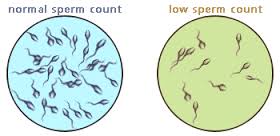
How to Increase Sperm Count - Get the Right Food For Sperm Increase


A lot of men are anxious to increase their sperm count. Couples hoping for a baby also want to increase the man's sperm count but sperm count is not the only important factor. The quality of the sperm is important too. So how can these men increase sperm count and also make sure the sperm is good quality?

There are a number of things men can do to improve both the quality and quantity of sperm. These include not wearing tight underwear, eating foods that increase sperm count, stopping smoking, and having a healthy life style.

Now we will discuss some of the foods that can improve sperm count. There are many foods that can increase your sperm count including a large number of vegetables and fruits. Some examples are:

Ginseng

Ginseng is a plant found in many areas of Asia specifically in Korea. There several kinds of ginseng and all of them have the effect of increasing sperm count. You can consume ginseng after processing it in some way. Many people use ginseng as base for soup or you can pour boiling water on the dry ginseng, like making tea, and drink the resulting liquor.

Orange

Orange is a fruit many people like. Orange is one of many fruits that can increase sperm count. The extract of orange that contains Vitamin C can help increase your sperm count.

Green tea

Green tea extract also helps increase sperm count. Another benefit of green tea extract is that it can make you feel relaxed, so if you drink green tea you get a double benefit!

Limes

Lime juice, which is rich in Vitamin C, can also increase your sperm count.

These are some natural food-stuffs that can help increase the sperm count. If you routinely consume the foods listed above you can get the maximum result. However, besides the good foods you consume, there are items you should avoid such as: broccoli, coffee, chocolate, asparagus, onions, garlic, and red meat.

There are some specific substances that can help you increase your sperm count. These include: calcium, creatine, fructose, magnesium, nitrogen, potassium, sodium, Vitamin B12 and zinc.

By Jacky Green

Read -  Ayurvedic Medicine to Increase Sperm Count


Wednesday, September 30, 2020

Neem For Natural Eczema and Psoriasis Remedy


Many have reported good success with neem for natural eczema and psoriasis remedy. Eczema is a type of skin disease commonly called as dermatitis. Eczema skin is usually very dry. When the skin is attacked by a bout of eczema, it turns red, itchy and inflammed. If you have eczema, you will find it hard to stop itching and that tends to aggravate your already very sensitive skin.

Neem is a special Indian plant. It is famous for its medicinal values. In India,the neem tree is considered sacred and worshiped. It is easy to find neem trees everywhere in the country, so much so that it is considered the free tree of India. The English name for neem is Margosa. The botanical name of neem tree is Azadirachta indica.

Neem has been used as a medicine for more than 5000 years. Neem is especially good for those with skin disorders such as eczema. As a natural eczema and psoriasis remedy, neem when applied on the skin relieves you from itching and the painful symptoms arising from your disorder. You can also take a warm bath with neem leaves in it. In fact, this is a very common custom in India. It is also highly suitable in the instance when you have some minor skin infections.

Neem, as a natural eczema remedy, has anti bacterial, anti parasitic, anti fungal, anti viral and anti protozoal properties. It prevents micro organisms from entering into your body. For eczema sufferers, this is good news. Very often, bacteria is being introduced into your body through your broken skin, a result from scratching and itching. Application of neem oil or neem powder on your wounded skin can render micro-organisms inactive, thereby initiating relief and recovery.

Neem is not only beneficial as a natural eczema remedy but also helps to strengthen the immune system of your body. You can obtain its benefits by eating raw neem leaves. However, if you are having neem for lunch for the first time, you may not be used to the taste. Or you may find it inconvenient to have to chew neem leaves. The alternative is to consume neem supplements in the form of capsules.

Neem products for natural eczema and psoriasis remedy are now readily available via Indian herbal stores or on the internet. You can also get neem lotions, body washes, shampoos and conditioners if you have sensitive skin. My Indian friend tells me that he has seen cases of people gaining through consuming and using neem as a natural eczema and psoriasis remedy.

By Evelyn Lim

Read  5 Top Neem Capsules for Psoriasis – Buy Online India


Sunday, September 6, 2020

Benefit of Using Coconut Oil


Coconut oil has a lot of health benefits which include bone strength, stress relief, skin care, maintaining cholesterol levels, increased immunity, weight loss, proper metabolism and digestion as well as relief from heart diseases, kidney problems, diabetes, high blood pressure, cancer, HIV, dental care and hair care. The advantages of coconut oil could be attributable to its presence of caprylic acid, capric acid and lauric acid as well as its antioxidant, antimicrobial, antibacterial, anti-fungal and soothing properties.

Hair Care

For hair care, coconut oil is among the most effective natural nutrition. It assists in the healthy growth of your hair, providing it with a shiny bounce. Regularly massaging this product in the head ensures that the scalp has a lack of lice eggs and lice, dandruff and dry scalp.

Skin Care

For the skin, this substance is also an outstanding massage oil for your skin. It serves as a valuable moisturizer on every type of skin including ultra dry skin. The advantage of coconut oil to your skin is similar to what mineral oil does for the skin. However, in contrast to mineral oil, no chance is there of having any unfavourable side effects when you make use of product. Therefore, coconut oil is a solution that is safe for putting a stop to flaking and dryness of skin. In addition, it delays sagging and wrinkling of the skin which typically become very prominent when you age. Additionally, the substance assists in the treatment of a variety of skin problems such as eczema, dermatitis, psoriasis as well as other skin conditions. Therefore, the oil is included as a basic ingredient of a variety of skin care products including creams, lotions, and soaps that are utilized on a daily basis. In addition, the oil assists in preventing degenerative diseases and premature aging which occurs as a result of the antioxidant properties it contains.

Heart Diseases

A misconception exists among a number of individuals the coconut oil is bad on the heart. This is in view of the fact that it contains a huge amount of saturated fats. However, that is incorrect and the oil is valuable to the heart. The oil contains approximately 50 percent of lauric acid, which assists in the prevention of a variety of heart problems as well as high blood pressure and high cholesterol levels. The saturated fats that are present in this product are harmless and actually beneficial.

Also Read 9 Top Pure Virgin Coconut Oil for Psoriasis Under $ 20 USD

By Li Ping Irene Yap 


Sunday, May 31, 2020

Stress Management Tips - Managing Stress by Cultivating Good Habits


Vicki Baum, an Austrian-USA novelist once stated, "You don't get ulcers from what you eat. You get them from what's eating you." Stress is a part of life. There is no way around it, over it or under it. Feelings of stress can be a motivating force. If we are under pressure from a particular problem, situation or event, we will focus our attention in that direction to come up with solutions to relieve the stress and return to a sense of balance and equilibrium. However, stressful situations often come at us from many different directions. We have a limited reserve of physical and psychological energy to cope with so many stressors. Without an arsenal at our to disposal for managing stress, stress overload can lead to various physical and psychological problems such as high blood pressure, anxiety, ulcers and depression. In order to fill your stress relief arsenal, you need to not only be knowledgeable regarding stress management tips, but cultivate good habits to help minimize stress as well.

Physical Relaxation Techniques and Imagery: 


Stress Management Tips that Can Help You Deal with Stress


Managing stress is possible by using physical relaxation and imagery. By using imagery, you mentally detach yourself from a stressful situation and place your thoughts into an environment that you find relaxing and calming. You can focus on a beach with waves lapping against the shore, a quiet mountain cabin with warm breezes gently rustling wild flowers, or swimming with tropical fish off a coral reef. This is a habit that you need to cultivate if it is to work effectively. Your ability to bring your mind inward and focus on your serene environment will be the determining factor on how well imagery will work on managing stress.

Other stress management tips are physical relaxation techniques. Two of these are deep breathing and progressive muscular relaxation. When you are under stress your muscles have a tendency to tighten which is not conducive to managing stress and thinking clearly. You have probably heard that it is helpful to take deep cleansing breaths when you are stressed or angry. This is one of several stress management tips that is quite easy to master if you remember to use it during stressful situations. You simply cultivate the habit of relaxing your body with each deep breath you take.

Progressive muscular relaxation or PMR is another stress management tips that aids in relieving muscle tension that accompanies stress. Basically, you tighten certain muscle groups as much as possible. Then you consciously relax these muscle groups. The theory is that you would be better able to relax your muscles after tensing them then would be possible by relaxing them directly. PMR is most effective in relieving and managing stress when practiced in conjunction with deep breathing.

Time Management: 


Stress Management Tips that Keep You Focused on Important Tasks, Eliminate Over Commitment and Procrastination

Much stress could be avoided by managing time wisely. A useful stress management tips would be to keep a daily planner. This would insure that you do not over extend yourself or overlap projects. Procrastination is also a time waster and should be avoided to minimize stress. Another useful time management tool and stress management tips is keeping a diary. By keeping track of your daily routine, you can determine areas where you may be wasting time and causing yourself additional stress.

Other Useful Stress Management Tips to Minimize and Deal With Stress


Stress Management Tips such as listening to soothing music, practicing yoga, self-hypnosis, meditation and surrounding yourself with strong support systems, such as family, co-workers and pets, have been shown to be helpful in relieving unrelenting stress. In the hustle and bustle of everyday life there is going to be stress. Our ability to deal with stress can be a determining factor between having good health or being plagued with stress induced physical and psychological problems. Ten stress management tips have been reviewed to help you deal with stress. For them to work effectively, you must take time to practice certain techniques to find the ones that are best suited for your unique personality. To battle everyday stressors, you must cultivate good stress reducing habits and this takes practice.

Looking For A Revolutionary - No Drugs - No Potions - No Hypnotherapy - Easy-To-Follow Wholly Natural Method That Will Kick Stress, Depression and Anxiety Out Of Your Life By

Suzannah Khoo
http://www.StressManagementInfo.com

Also Read

Stress and Anxiety Management Through Ayurveda

Friday, March 13, 2020

What Are the Health Benefits of Lycopene?

By the time you finish reading this article, you will be more aware of the many health benefits of lycopene.

So, what exactly is it?

It is a compound found in certain fruits and vegetables. It belongs to the group of substances known as carotenes and is the pigment responsible for giving vegetables and fruits, such as tomatoes, watermelon and pink grapefruit, their red color.

What are the health benefits?

It has been found to possess many benefits, and also has strong antioxidant properties. Because it is a potent antioxidant, it can be extremely effective in fighting free radicals which can damage cells in the body. This can help to reduce the risk of cancer and strokes.

Indeed, several studies have suggested that a diet high in lycopene may be associated with a lower risk of cardiovascular disease and prostate cancer.

The beneficial effect of antioxidants on heart disease has been well documented. In a recent study, it was found that men with a high concentration of lycopene in their body were only 50% as likely to have a heart attack compared to men with lower concentrations.

Research has shown the following other suggested benefits of lycopene:

  • Helping to prevent kidney disease and aging problems such as degeneration of the nervous system and cellular damage from the aging process.
  • Helping with problems such as diabetes.
  • Most recent research has suggested that,like beta-carotene, it may play an important role in keeping vision healthy by preventing cataracts and Age-Related Macular Degeneration (AMD
  • Another small study has suggested that it can help reduce the instances of exercise-induced asthma among some people.
  • Another benefit is that it may be able to help keep skin looking fresh and youthful. Skin burned by UV rays, tanning and premature aging can be combated with the antioxidants contained in it which helps to reduce the damage to skin by regenerating new skin cells

Where can I get it?

Lycopene is not produced naturally in the body. It must be obtained through a person's diet. Tomato products, such as tomato juice, ketchup, spaghetti sauce and pizza sauce for example are, by far, the major sources in the typical western diet. In fact, these foods provide over 80 percent of the compound consumed in the U.S. Other fruits and vegetables such as watermelon and pink grapefruit also provide this anti oxidant, but in smaller amounts.


By Donald Cash

Thursday, February 27, 2020

Garlic, A Super Herb

Health Benefits of garlic

Origin and Importance of Garlic

With all the herbs and spices known to man, none has been revered and reviled as the garlic. Throughout the ages, the use of garlic for its culinary and therapeutic properties has been embraced wholeheartedly to the point that it was worshiped as a god in some ancient cultures. Yet it has just passionately been rejected for this simple reason. when eaten raw, garlic leaves a strong scent on the breath of the eater.

A member of the lily family, garlic was called allium in Latin and bears the modern scientific name Allium sativum. Romance languages, descended as they are from Latin, refer to it with words that are clearly derived from allium-aglio in Italian, ail in French, ajo in Spanish, albo in Portuguese, allo in Galician and aio in Provencal of which the aioli the garlic flavored mayonnaise originally came from.

Garlic itself is believed to be of German, Scandinavian, Nordic, Celtic, Anglo-Saxon or even Slavic origin ( depending on what reference materials that you are reading). It's supposedly a combination of gar, a word for spear (a reference to the plant's slender pointed stalks) and lac or leac, meaning leek.

So shrouded in uncertainty is the history of garlic that is difficult to ascertain where the plant originated. According to one account, it first appeared in Siberia, where it was brought to Egypt by Asian nomadic tribes, and from Egypt it reached Europe after passing through India via the trade routes bound for eastern Asia. Another account says it is a native of the steppes of Central Asia and yet another claims it came from Sicily.

For sure, there's one account that captures the imagination. According to Muslim legend, the garlic sprang from Satan's left footprint (the onion appeared in his right footprint) as he was driven out of the Garden of Eden after man's fall. Throughout history, garlic has been used to cure or prevent just about every known malady like headache, toothache, fatigue, constipation, wounds, sores, infections, gangrene, cough, cold, asthma, tuberculosis, epilepsy, rheumatism, dropsy, leprosy, smallpox, the plague, jaundice, eczema, rabies, scabies, scurvy, impotence, hysteria, senility, insanity, insect bites, intestinal worms and even anthrax in cattle.

Garlic has also been used as a mean of diagnosing pregnancy, a cure for baldness and an antidote for snake bites. In 1608, during a highly infectious epidemic in London, French priests ministering to the afflicted were spared from the fatal disease while English clergymen fell victim to it. The Frenchmen's immunity was attributed to the presence of garlic in their diet.

In 1722, garlic gained the dubious reputation of being an effective protection against the plague where four thieves claimed that liberal application of garlic-flavored vinegar "immunized" them against the disease even as they plundered the corpses of the victim.

Health Benefits of Garlic


On the supernatural realm, garlic has been thought to ward off malignant spirits, deter witches and repel blood-thirsty vampires from helpless virgins. Modern research, on the other hand has yielded some astonishing findings. One study claims garlic can lower cholesterol by as much as nine percent. Another says it can ease high blood pressure by delaying the hardening of the blood vessels. Other studies, claims that it can prevent or cure a whole array of illness, ranging from the common cold and flu to cancer and cardiovascular disease.

Studies have also shown that garlic is a potent antibiotic capable of killing over 60 varieties of fungi and 20 strains of bacteria. It is said that even the blood of garlic eaters can eliminate bacteria (this may explain the French priest's immunity) and that vapor from freshly cut garlic can destroy bacteria at a distance of 20 centimeters.

There's one study that suggests garlic may also increase physical endurance. Ancient Olympian athletes are said to have chewed garlic to boost their strength and stamina and that laborers who built the pyramids were given a daily dosage of garlic for the same purpose.

As a food, garlic is eaten today in virtually every corner of the globe, even in countries where it was once scorned, such as Japan and England. One thing that makes garlic so universally accepted is its wide-ranging versatility. It can be eaten raw, sauteed, boiled, roasted and fried. It serves as an excellent flavoring for fish and seafood, poultry, red meat and even a plain vegetables.

Finely chopped raw garlic can be mixed into dips and sauces such as hummus and guacamole. Garlic butter makes a superb garnish for anything ranging from steak and pasta to escargots and French bread. Garlic chips can bring to life an otherwise bland bowl of congee.

Garlic figures in marinades for American barbecue as well as for Indonesian satay. Stir-fried dishes in China and Southeast Asia usually contain sauteed garlic. Garlic can be thrown into the roasting pan to enhance the flavor of chicken, lamb, beef, or pork. It can be simmered to complement other ingredients in a stew or boiled on its own to make sopa de ajo (Spanish garlic soup).

Garlic is as much as an essential ingredient of Indian curries as it is of Sichuan and Korean cuisine. It add zest to light salads as well as to heavy meat dishes. Pasta and pizza are practically unthinkable without garlic so as with the rice dishes like the paella.The same can be said about chili con carne and whole range of dishes from Mexico to Tierra del Fuego.

As for the garlic's peculiar scent, here's an easy tip to remember. The longer garlic is cooked the milder its smell becomes. Contemporary urban folklore says that one may confidently meet one's lover after a meal heavily flavored with garlic. Drink some red wine with your meal to mask the smell of garlic on your breath. Alternatively, if you live in Japan you can simply zip into the nearest convenience store and drink a bottle of Gorilla, which looks like one of those curious Japanese energy concoctions that miraculously erase all traces of garlic from your breath.

TIPS ON COOKING WITH GARLIC


So pervasive is garlic in Filipino cooking that aside from the obvious sinigang and nilaga, it is also an ingredients in many dishes like adobo, mechado, menudo, kaldereta, relleno, paksiw, papaitan, pansit bihon, sarsiado, pinakbet, Bicol express and ecabeche.They all contain garlic and they represent just a partial list of our garlic flavored culinary repertoire.

Most Filipino dishes are in fact based on gisa, which almost always entrails garlic and onion sauteed like a pair of inseparable twins. What few people realize is that the two bulbs actually belong to the same genus of plants and that one may sometimes dropped to enhance the flavor of the finished dish. A bad habit that Filipinos would do that must be corrected is the general tendency to overcook garlic. Garlic is thrown into the hot oil before the onion and fried until it is a crisp golden brown and sometimes even darker. Unless you are making garlic chips, garlic should not be allowed to turn brown. Not only does it destroy the flavor of garlic but it also imparts a somewhat bitter taste to it. To rectify this old habit, I suggests sauteing the garlic together with the onion, not before.

One thing that our old cucineros and cucineras did right was to always crush the garlic. Nowadays some cooks tend to bypass this procedure and simply chop the garlic. This a lazy shortcut that should be avoided. It has been proven that crushing the cloves produces a chemical reaction that brings out the full flavor of garlic.
Also Read Ayurveda Health Benefits of Garlic

By Amado D Petallana