Featured Post

Explore Home Remedies For Obesity

  Obesity is a condition characterized by excess body weight. Basically, it's the accumulation of fat on the body due to several reasons...

Showing posts with label herbs. Show all posts

Monday, December 6, 2021

Benefits of Bitter Gourd - Karela - Bitter Melon


The Bitter Gourd- it is actually a bitter boon in disguise, a tonic, a great metabolic regulator and a good source of potassium.

Bitter Gourd effectively checks blood sugar levels, has antioxidant properties and is a potent detoxifying agent. It is a secure glycemic control from nature and is often strongly recommended as a supportive therapy for diabetic patients and in pre-diabetics with impaired GTT (Glucose tolerance test ).Practically all parts of the plant are capable of providing medicinal benefits to our body system, the fruit scrapings having the maximum hypoglycemic effect.

About Bitter Gourd

Fruit is bitter, cool, light to digest and pacifies pitta. It purifies blood, is carminative, antihelminthic , diuretic, clears constipation , ignites digestive fire and useful in combating anemia and fevers. Fruit cooked as vegetable, with minimal spices, checks chronic skin disorders , gout, rheumatoid arthritis, dyspepsia, flatulence ,asthma and in general a wide variety of maladies of the stomach.

Juice of Bitter Gourd

Stomatitis can be checked by gargling with the warm juice of Bitter Gourd. A pinch of alum may be added to it for additional benefit.

Juice is also helpful for patients of hemiplegia.

Prickly heat during the summers can be soothened by applying bitter gourd juice, with a pinch of baking powder added to it.

Periodic intake of juice mixed with water is beneficial in ascites.

Passage of blood in cases of piles is relived by taking juice of Bitter Gourd with sugar.

To shed those extra pounds try bitter gourd juice with lemon -the first thing in the morning !

It also has the capacity to disintegrate kidney stones and even flush them out through the urinary tract.

Leaves of Bitter Gourd

Leaves are bitter, diuretic, induce vomiting and purgation. Juice of leaves is useful in malaria, enlargement of liver, spleen and state of ascites. Leaves crushed into a paste, applied over chronic skin lesions fasten healing. Massaging juice of leaves on soles in beneficial in controlling burning sensation of feet, especially in patients with diabetic neuropathy.

Seeds of Bitter Gourd

Seeds have 32% purgative oil, if crushed into powder and taken orally, is good for diabetic patients.

THE UNTOWARD EFFECTS, IF ANY, CAN BE NULLIFIED BY INTAKE OF RICE WITH GHEE (CLARIFIED BUTTER).

By- Pavan Arora
Also read

AYURVEDIC TREATMENT FOR PCOS USING BITTER GOURD OR BITTER MELON

Ashwagandha or Withania The Indian Ginseng


Ashwagandha to Enhance Immunity and Stamina


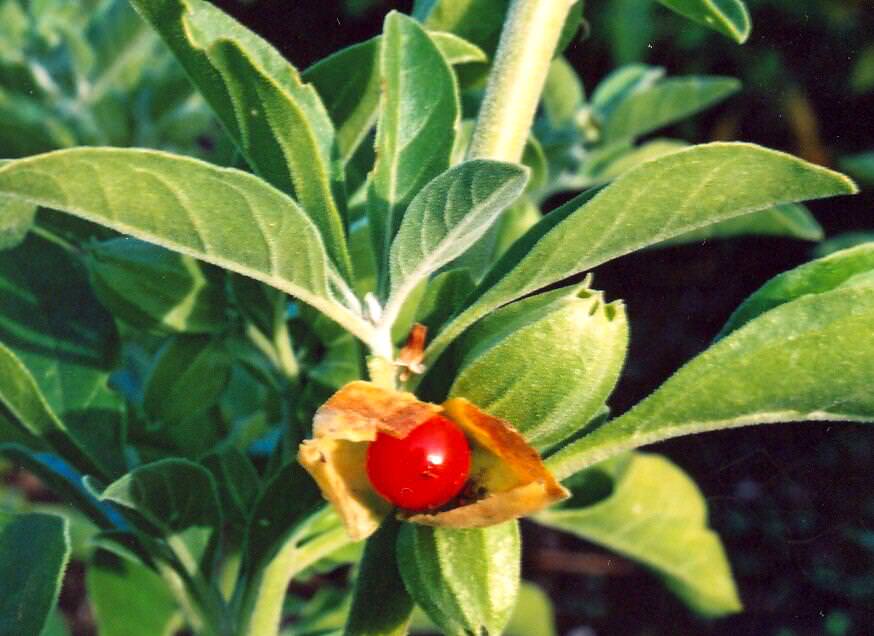
Ashwagandha is an indigenous Indian herb, which is popular in the west as the Winter Cherry. The Indian name of the herb literally means 'horse smell' (ashwa = horse, gandha = smell). It is called so because its root smells like horse's urine when wet. Ashwagandha is a small to medium sized herb, growing up to 1.5 meters at a maximum with small green flowers growing in clusters of about 25 in number. This herb is found in Pakistan, Afghanistan and Sri Lanka, apart from India.

The main medical constituent of ashwagandha is somniferine, an alkaloid which is present in all parts of the herb. The oil extracted from its roots is composed of two constituents - a water soluble part and a water insoluble part. The water soluble part contains some sugar, while the water insoluble part contains fatty acids among other vital substances. Besides that, ashwagandha oil is also rich in tannin, glucose, potassium nitrate and several alkaloids.

Ayurveda Health benefits of ashwagandha


The following curative properties of ashwagandha are made use of in Ayurvedic medicine:-

(i) Ashwagandha is best known for its stimulating properties on the libido. It is used as an aphrodisiac in men. For this reason, ashwagandha is also referred to as the Indian ginseng.

(ii) Ashwagandha is a mild hypnotic. It can be used in allaying pains.

(iii) Ashwagandha is effective in treating urinary ailments. It can facilitate easy flow of urine. Also it helps in opening the sweat pores, which make it possible to expel liquid wastes through perspiration.

(iv) Ashwagandha is an antibiotic and an antibacterial agent.

Ashwagandha is indispensable in various constituents of Ayurvedic medicine. The following are some ways in which it is used in treatment of diseases.

(i) Common Cold

Ashwagandha is used in opening up the respiratory tract and treating diseases that originate in the chest cavity. If a person has a common cold, then the powdered root of ashwagandha is taken in quantities of three grams. Decoction of the ashwagandha root is also popularly used. In a similar fashion, the berries and seeds of the ashwagandha are also used for resolving chest complaints.

(ii) Conjunctivitis

The leaves of the ashwagandha are boiled in water and the steam is used to foment the eyes. This relieves the pain and the itchiness of sore eyes.

(iii) Digestive Disorders

Both dyspepsia and loss of appetite can be treated with ashwagandha. For this purpose, the roots of the herb are used. Ashwagandha pacifies the pitta dosha which is responsible for digestion and brings the body to a state of normalcy.

(iv) Insomnia

Due to its hypnotic properties, ashwagandha is prescribed to people who are not able to sleep soundly at nights.

(v) Loss of Libido in Men

Ashwagandha is an aphrodisiac, mostly for men. This is the curative property for which it is renowned all over the world. In order to increase sexual performance of men, Ayurvedic doctors prescribe taking three or four grams of the root with a vehicle like milk or ghee at least half an hour before performing the sexual act. For permanent treatment of these problems, a preparation of ashwagandha is made with sugar, honey, pepper and ghee. This is administered to the person once daily. In addition to increasing libido, ashwagandha can also treat male problems like spermatorrhea and premature ejaculation.

(vi) Rheumatism

Ashwagandha is taken in doses of three grams per day for the treatment of geriatric problems such as rheumatism. The root of the ashwagandha is used for this purpose.

(vii) Skin Problems

Ashwagandha has very effective properties in the treatment of problems of the skin. Its roots and leaves are ground into a paste and applied externally for the treatment of carbuncles, ulcers and swellings. In case of boils and swelling, its leaves are warmed in water and used to foment the affected parts. For bedsores and wounds, ashwagandha leaves are boiled in fat or ghee and applied.

(viii) Sterility in Women

Ashwagandha can treat sterility in women and help them conceive a child. Its roots are powdered and taken in quantities of six grams with milk. This is taken for a week continuously after menstruation.

(ix) Syphilis

Ashwagandha has antibacterial properties, which are made use of in the treatment of syphilis. A paste of its leaves is applied on the syphilitic sores continually. This relieves the itchiness of the sores and treats the disease eventually.

(x) Tuberculosis

In the treatment of tuberculosis, ashwagandha is used in the following manner. A decoction of its root is prepared with pepper and honey. This decoction is used in the treatment of tuberculosis. It is found to be especially beneficial in the treatment of scrofula, which is a painful tuberculosis of the lymph glands that manifests itself in the neck region.

Special Ayurvedic Preparations

The following are some Ayurvedic preparations in which ashwagandha is the main ingredient:-

(i) Ashwagandha lehya

Ashwagandha is made into a fine paste known as linctus. This is ashwagandha lehya which is taken for all the diseases that can be cured with the consumption of ashwagandha.

(ii) Ashwagandharishta

Ashwagandharishta is a very valuable extract of ashwagandha with several other herbs such as manjishta, yashti, arjuna, chandana, etc. It is used as a general tonic in several medical problems including debility, digestion problems and psychotic problems like hallucinations.

Precautions

Ashwagandha is a very beneficial herb, but it must never be prescribed to pregnant women. The various chemical constituents of ashwagandha can lead to abortion of the foetus. Though it is used to correct sterility itself, its use must be discontinued as soon as the woman conceives.

Also Read Health Benefits and Uses of ashwagandha


By John Anne

Wednesday, May 5, 2021

Benefits of Ashwagandha


Ashwagandha Latin names is Withania Somniferum and Ashwagandha common name is Indian Ginseng.

Ashwagandha belongs to the pepper family and is found in India and Africa. The roots and leaves of ashwagandha are used medicinally. The health applications for ashwagandha in traditional Indian and Ayurvedic medicine are extensive. Ayurveda is made up of two Sanskrit words, Ayu, which means life," and Veda, which means "knowledge." For more than 1,000 years, ashwagandha has been highly prized as a treatment for impotence, stress, infertility and arthritis. The shoots and seeds of the plant are also used in India as food, and to thicken milk. In the West, researchers have focused on isolating the one or two active ingredients in each herb. In the ayurvedic tradition, however, the entire plant is used on the assumption that all the compounds in a plant are meant to work together. Because of it's wide range of activity on many different body systems, ashwagandha has long been reputed to be an overall tonic that can promote health and vitality, much like ginseng. Ashwagandha twigs have been chewed for cleaning teeth, and the smoke of the plant has been inhaled for relief of toothaches.


Uses of Ashwagandha:

Arthritis

Asthma

Bronchitis

Cancer

Candida

Fever

Inflammations

Nausea

Rheumatism

Mental function

Stress

In general, tonics such as Ashwagandha are believed to strengthen and fortify the body so that it is better able to withstand stressful situations. In other words, it helps the body to maintain it's equilibrium, even during difficult times.

Today, ashwagandha is included in many combination formulas to treat a variety of ills. It is being heavily promoted as an aphrodisiac. A natural anti-inflammatory agent, ashwagandha may help to reduce the discomfort associated with arthritis. Ashwagandha is said to be useful in the treatment of inflammatory conditions, ulcers, and scabies when applied topically. Compounds known as withanolides are believed to account for the multiple medicinal applications of ashwagandha. These molecules are steroidal and bear a resemblance, both in their action and appearance, to the active constituents of Asian ginseng, known as ginsenosides. The pharmacological activity of the roots is attributed to the presence of several alkaloids. Many biochemically heterogeneous alkaloids have been reported in the roots. In all, 13 Dragendorffpositive components have been obtained chromatographically. They include cuscohygrine, anahygrine, tropine, pseudotropine, anaferine, and isopelletierine.

By Jacob Wood 


Saturday, March 20, 2021

Peanut Butter Facts - Some Surprising Information About Peanut Butter


 There are many interesting facts about peanut butter and discovering them could provide us with a thorough understanding of the different benefits, uses, and finer points of this fascinating food spread.

Before we move on to discuss peanut butter as a general culinary term, let us define first its core meaning by defining peanut and butter. Peanuts are identified mostly as nuts in food type sense but they are actually legumes like beans in the technical sense. That's right. What we think of as nuts are not actually nuts at all, but beans! Peanuts are naturally free of cholesterol. While the latter one, which is butter, is normally categorized under dairy products but in this case it's actually called a butter because of the spread's creamy and sticky texture when it is processed.

The health benefits of this nutty spread are numerous. Indeed, it is now becoming recognized as one of the heart healthy foods. It helps prevent the risk of cancer, coronary heart diseases, cardiovascular diseases, gallstones, high blood sugar, and high cholesterol levels. It consists of different nutrients which is an excellent source of magnesium, potassium, and phosphorous. The spread also contains Vitamins (B3 & E), best source of dietary fiber, protein, arginine, and folate. It has also "resveratrol" an anti-oxidant which helps eliminate carcinogens of all kinds.

There's also quite a bit of trivia to hear about. It has been used widely in many households these days. Most of all Americans are recognized as the leading consumers and it is the leading use of peanuts in their country. For every year, American citizens spend approximately $ 800 million on their peanut butter. On the other hand, in order to make 15,000 sandwiches, you need to have half an acre of peanuts to produce enough spread. It is also recognized by most countries that November is the Peanut Butter Lovers Month. Another surprising fact is that most of men prefer to eat chunky butters while children and women opt for creamy or smooth butters, together with over sixty percent of peanut butter consumers. In America the people of the West Coast prefer to eat the chunky spread while their neighbors over on the East Coast prefer to eat smooth or creamy varieties. Most bizarrely there is even a medical term for a person who becomes hysterical or has a fear whenever the peanut butter sticks to the upper portion of their mouth, it is called "arachibutyrophobia".

Also Read  Ayurveda Health Benefits of Peanuts or Groundnut

By Jayne Fairclough 

Tuesday, May 7, 2019

The Sacred Lotus Plant


The Lotus or Nelumbo nucifera is commonly misconceived as a Water Lilly. While the Lotus is an aquatic perennial like the Water Lilly it is much different. The Leaves and flowers of the Lotus plant extend above the water surface where the Water Lilly floats on the water surface. The Lotus is native to Southern Asia and is India's national flower. To Buddhists it has come to symbolise spiritual enlightenment, as its perfect, beautiful flowers rise from the dirty, smelly mud at the bottom of the lake in which it grows. Purity rising out of filth...

Lotus are easily grown in a large water bowl in a backyard or even balcony. They need to be planted at a depth of at least 40cm and require full sun to thrive. The only care they need is fertilising once a year in late winter/ early spring. Fertilising is best done by making a "parcel" of high potassium fertiliser wrapped in old newspaper and by pushing this parcel deep down into the Root zone of the plant. In Winter when the plant has died down you can cut the old leaves off, but always ensure you cut them off above the surface of the water to avoid water filling the hollow stems and drowning the plant.

Lotus don't just look great in the garden, they also look fantastic in floral arrangements. While fresh Lotus flowers are sometimes available, it is the seed pod that is most commonly used in florists. This is because the individual flowers are not long lived, sometimes only lasting one day. The seed pods however last much longer and they're organic and sculptural appearance adds texture and interest to flower bouquets and flower arrangements. A bunch of the Seed pods casually arranged in a tall glass vase look exquisite!

Almost all parts of the Lotus are edible and used in Asian cooking including the flower, seeds, leaves and roots. The flower is used in Salads, Seeds are grinded up and made into flour, Leaves are used to wrap and steam food such as Rice and the roots are chopped and fried and served in a similar way to Potato chips.

Lotus seeds are available in kamal gatta. These are used in ayurvedic medicines to increase sperm count.  Read Ayurveda health benefits of Lotus Seeds or Kamal Gatta

By Steven P Johnston 

Friday, May 3, 2019

The Benefits of Black Pepper


Black pepper is probably the one spice I wouldn't want to do without, I use it in every savoury dish I cook and I can tell when someone has omitted it, even if I am eating an otherwise spicy curry. There have been some scares over the possible health risks of eating too much black pepper, but you would never be able to eat it in the quantities that can harm you.

Black pepper has always been known as a carminative, which means that it helps get rid of flatulence and intestinal gas. It is also a diuretic, and diaphoretic. The former term means that it helps remove excess water from the body and the latter means that it promotes sweating, which is useful if you have a fever. It can also boost the immune system as it has powerful antioxidant effects. If you buy whole peppercorns and grind them yourself, the outer layer will help keep you in weight loss and slim by breaking down fat cells. What more could you want from one very small spice?

Black pepper also provides us with minerals that our bodies need, such as manganese, copper, iron, chromium and calcium. It is rich in vitamin K which is found in green vegetables such as kale, broccoli and brussel sprouts.

You can add ground black pepper to herbal teas to increase its warming effects. I particularly like it with lemon juice in green tea.

In Ayurvedic medicine, practised on the Indian sub-continent, black pepper is used along with long pepper and ginger, as a remedy for a number of diseases. Alone, it is used as a remedy for cholera, colic, headache, toothache, and urinary problems. It has been applied as a paste, externally, for skin diseases.

In China it is thought to have 'warming' qualities and is used to treat what is called "cold stomach," the symptoms of which include diarrhoea, vomiting, and abdominal pain.

With all these health benefits it is no wonder that in the ancient world black pepper was highly- prized and even used as currency and offerings to the gods. It was the search for pepper (and other spices) that led to the discovery of new lands in the Renaissance and earlier. It was a much-sought after commodity and in the Middle Ages, a man's wealth was measured in how many peppercorns he had. Of course, it was very useful when it came to preserving meat during that time, as was salt, but the peasants couldn't afford to use peppercorns for this purpose.

Next time you look at your spice rack, think about all the health benefits there are in those small jars and only buy peppercorns and grind them yourself as you need them for maximum health benefits.

Also Read Ayurveda Health Benefits of long Pepper or Pippali


By Lynne Evans 

Tuesday, January 1, 2019

Health Benefits of Carrots for Cholesterol, Weight Loss and Diabetes

The health benefits of carrots do not only help our eyes but also help in cancer prevention, avoiding heart attacks and they lower your bad cholesterol. We eat carrots not just for the health benefits but also because they taste very good whether they are cooked or raw.

Carrots contain beta-carotene which becomes vitamin A after it is in your body and this helps improve your vision. The vitamin A will form a purple pigment called rhodopsin which is what your eyes need to be able to see in a dim light. If you do not get enough of this vitamin you could end up suffering from night blindness. Carrots also got their color and their name from beta-carotene.

The nutritional benefits of beta-carotene are the fact they are an anti-oxidant that fights the free radicals that can cause cancer, macular degeneration, and heart disease. Beta-carotene sometimes will deter cancers of the stomach, uterus, and cervix. There has been research done recently suggesting people who consume five or more carrots on a weekly basis are less likely to have a stroke than those who do not. Carrots have another anti-oxidant called alpha-carotene and a study showed men with high amounts of this anti-oxidant have a less chance of contracting lung cancer.

If you cook carrots slightly, you pull out the beta-carotene from the fiber which permits our bodies to absorb it easier. If you eat about a half-cup a day you will receive more beta-carotene than the daily recommended dosage. When you buy carrots with the tops still attached they must be removed before storage, if you do not the tops will swallow up all the vitamins. Your body can absorb the nutrients of carrot juice by adding them to a favorite blend of juice.

One carrot will give you all the vitamin A you will need for a day. The sugar that is contained in carrots turns into blood sugar quickly but the amount is very low and that is why diabetics (Read Diabetes home remedies) can still have them. They are the richest source of beta-carotene, which contributes to a lower risk for diabetes. Carrots health benefits is a great protection against cataracts and macular degeneration. Their soluble fiber is quite rich and helps lower levels of cholesterol.

The health benefits of raw carrots are they contain more vitamin C than cooked. The benefits of cooked carrots are the release of more beta-carotene. Either way you eat them will help benefit your body. The raw carrots can be placed in your salad and the cooked on your dinner plate and you will receive the benefits of both.

The high fiber content in carrots is very important if you want to lose weight. Fiber is not digestible and it just passes through with other food affixed to it. It will not stop the digestive system from trying; it simply produces more enzymes to break it down. This helps to speed up you metabolism. They are low in calories and fat, and high in nutrients which also include potassium. Carrot nutrients help the body perform smoothly and therefore burn calories.

Also Read Are Carrots Good For Losing Weight ?

By Barbara Volkov 

Tuesday, May 2, 2017

Lowering Your Blood Sugar Levels With Bitter Melon

Plants are natural pharmacies and are rich in a diversity of nutrients. Many of all modern day pharmaceutical drugs have either been developed from plant compounds or are synthetic replicas of the plant molecule system. These nutrients mainly function as antioxidants but they also help to regulate the gene function in the plants and also in animals that actually eat them. These nutrients have played a major role in human nutrition also, for example herbs have often provided a much needed boost during illness.

Many herbs contain elements that regulate glucose and indirectly, insulin levels. Bitter melon (Momordica charantia), also known as bitter gourd, balsam pear and karela, has been used by traditional healers for a variety of medicinal purposes, including the treatment of diabetes.

Bitter melon contains medicinal constituents that are similar to animal insulin. However the plant is used... as a juice, in fruit form or dried powder... all have been useful in decreasing blood sugar levels. It can be found at farmers' markets that feature Asian plants or is available at many Asian grocery stores.

How to take bitter melon:

    firstly select one that is green or yellow, orange ones are old
    slice the unpeeled fruit lengthwise and remove the seeds. Cut into thin slices and steam or boil until the fruit is tender and is easy to cut with the edge of a spoon. Then place the fruit with an equal amount of water in a blender and puree for two or three minutes. Drink one quarter to half a cup a day
    or the gourds can be sliced and added in small amounts to wok dishes. Or cut into thin strips, mixed with onions and tomatoes and eggs and made into an omelet
    a bitter melon extract can be found in Asian grocery stores... take one quarter to half a teaspoon up to three times daily
    bitter melon has been concentrated and made into capsules... it is advised to take two capsules per day usually with a meal or one hour after eating when your blood sugar levels are highest.
    bitter melon is also an ingredient found in most diabetic herbal supplements; combined with other herbs, vitamins or even minerals

The bitter melon extract can be taken alone or mixed with other herbs, mineral or vitamin supplements. Bitter melon itself is also naturally loaded with vitamins and minerals; a mix does not have harmful interactions.

Don't forget though to inform your health care practitioner about the bitter melon supplements or concoctions you are taking.

Because you may have significant lowering of your blood sugar levels, close monitoring is important. Also many other medicinal herbs contain substances that are drug-like in their function... please take care if you are taking insulin or hypoglycemic medications.

By-Beverleigh Piepers

Also Read :  Who can use Karela or Bitter Melon Capsules and Tablets?
Beverleigh Piepers

Article Source: http://EzineArticles.com/3218572

Friday, April 14, 2017

Discover Turmeric Health Benefits

From the rhizomes (root) of this perennial plant found in India, come the highly valued turmeric health benefits. However, turmeric has other talents besides being used for medicine. Turmeric is a fairly new arrival to most Americans spice racks, but it's been a mainstay flavoring spice of Indian curries for thousands of years. In addition to its role as a flavoring spice, turmeric has a long history of use in India's Ayurvedic medicine.

Indeed, its arrival here is good news because studies with animals show that this herb has an impressive array of medicinal uses. So, without further adieu, let's delve into turmeric health benefits.

First, it's important to note that turmeric's chief constituent is known as curcumin. However, it also contains volatile oils, which also harbors medicinal effects.

That said, let's move on to this herbs health benefits.

Turmeric has created a lot of excitement in the natural world of medicine. It's a potent antioxidant and a powerhouse anti-inflammatory agent. Antioxidants work by neutralizing free radicals, which are highly unstable destructive oxygen molecules that can damage cells if left unchecked. Put simply, antioxidants protect the body from the continuous onslaught of free radicals that many experts believe are responsible for premature aging and most diseases, including cancer, heart disease, cataracts, and arthritis if left unchecked.

If you suffer from arthritis, turmeric health benefits may be of interest to you. Turmeric is prized for its ability to fight arthritis. Turmeric is often found in arthritis supplements to help mitigate pain and inflammation. More specifically, test-tube and laboratory studies have confirmed turmeric exhibits anti-inflammatory and anti-arthritic activity. In addition to arthritis, turmeric may be helpful for other inflammatory conditions such as carpal tunnel syndrome and joint inflammation.

Many people have specifically expressed an interest about turmeric for tumors. Turmeric is currently being researched for its effects on different types of cancerous tumors. In fact, many laboratory studies have shown that turmeric has anti-cancer activity. In animal studies, turmeric (curcumin) has been shown to prevent a number of cancers. According to our research, evidence suggests via laboratory data that turmeric (curcumin) can inhibit tumor initiation, promotion, invasion, angiogenesis (growth of new tumor blood vessels), and metastasis (uncontrolled spread).

For example:

    Turmeric (curcumin) inhibited growth of tumors in the colon.
    Turmeric (curcumin) helped stop the spread of breast cancer tumor cells to the lungs of mice.
    Turmeric slowed the development of prostate cancer on tumor cells in a lab dish.

Indeed, the evidence from laboratory data, meaning animal and laboratory studies suggests that turmeric (curcumin) has potential in the treatment of various forms of cancer, including prostate, breast, skin, and colon. In addition, turmeric is touted as a cancer protective herb because antioxidants help prevent the cell damage that sets the stage for cancer.

Turmeric health benefits may be of benefit to heart disease prevention. According to the well renowned tome "The Pill Book Guide to Natural Medicines" written by Michael Murray N.D. who states:

"Curcumin prevents LDL cholesterol from becoming oxidized and damaging arteries. In addition, it exerts other atherosclerosis-preventing effects, including lowering cholesterol levels, preventing plaque formation, and inhibiting the formation of clots by inhibiting platelet aggregation."(Page 608.)

But wait, there's more turmeric health benefits...

Turmeric's volatile oils is said to have external anti-bacterial action. As such, it may help prevent bacterial wound infections.

The herb also stimulates the production of bile, which helps digest fats. In addition, turmeric has shown in animal studies to have a protective effect on the liver such as protecting the liver from many toxins.

What about turmeric for fibroids? In this regard, we located scant information that turmeric may be helpful for uterine fibroids. According to Phyllis A. Balch, CNC the author of Prescription for Nutritional Healing, turmeric may be helpful for uterine fibroids because it's a powerful antioxidant that supports the liver while promoting the elimination of toxins.

Other possible turmeric health benefits or uses:

    May be helpful for indigestion and heartburn.
    It is used for improved liver function.
    May help prevent cataracts due to its antioxidant properties.

By Cindy Amorin

 Also Read Ayurveda Medicinal Properties of Turmeric (Haldi)

Tuesday, November 22, 2016

Cardamom Oil and Its Refreshing Properties


Cardamom Oil extracted using Steam distillation from whole fruits of Cardamom grown in South India. This oil is also available in co2 total extract version, retaining nice spicy complexity. For CO2 Extract of Cardamom, please call or email.

Cardamom oil is known for a good digestive tonic and it also a component of many sensual aphrodisiac blends. The basic aroma is same as cardamom pods freshly picked up from the farm. In our perspective Steam distilled is better than Co2 Extract of Cardamom oil. Physically the oil is deep pale colored, rich and little viscous oil. It has middle note. It is known as delighted natural essential oils in our collection of 100+ essential oils. The basic aroma is pleasing, completive and seems very attractive. It is very useful for a new perfumer to give very sensual smell without doing a lot with aromas and blending. It is also used in Pharmaceutical syrups, food flavors and other drinks to give a pleasing digestive note.

The aroma of Cardamom Oil is so much elevating that can attract tranquil and lucidity. Cardamom oil can arouse the vital energy (Qi) of the lungs and is especially beneficial when coughing or bronchial mucus is the result of digestive weakness. One of the best ways to use cardamom for bronchial support is to add a few drops to a basin filled with hot water and do a steam inhalation for several minutes. This process is used since ancient times in India.

If we talk about British Herbal Pharmacopoeia, The cardamom oil is recommended for flatulence and dyspepsia and it has ability to treat them well. Cardamom oil helps relieving spasm, mucous and very useful for treatment of colitis, IBS (Irritable bowel syndrome), indigestion and cramps. If one is suffering from digestive problems due to nervous tension, the cardamom oil can help him better. So because of these properties, it stands on category of digestive problems treating agents with black pepper oil, clove oil, nutmeg oil etc. It also helps to treat nausea and morning sickness.

Cardamom Essential Oil is an antiseptic essential oil with booster of phagocytic action of the immune system. One can also used it in massage blends and tonic for skin care due to its anti-fungal properties.

The Essential Oil of Cardamom is extracted from seeds of plant Elettaria cardamomum. This plant is highly useful in Asian as well as Indian cookery. Due to warming properties , it is now highly recommend in massages and headache relieving blends in place of Peppermint Essential Oil, Spearmint Essential Oils. It has pretty uplifting, invigorating and refreshing aroma with nice taste.

Mr. Ankur Tandon

Also Read Ayurveda Health Benefits of Cardamom

Friday, January 29, 2016

Banana Health Facts


Eating any fruit and vegetables is good for you but bananas are particularly good. They are one of nature's most amazing fruits offering you great nutritional and health benefits. They are full of energy and healing factors which make bananas great for everyone. Banana health facts are known by many as they are a very popular fruit to eat and the amount of diseases and illnesses they help to prevent and fight is fascinating.

By eating two bananas a day you will feel the results of this great fruit almost immediately due to the amount of nutrients and vitamins which they contain. Bananas contain three naturally occurring sugars which are sucrose, glucose and fructose. These sugars alongside the fiber content of the fruit will benefit your whole body every time you eat one. Many athletes understand the banana health facts and use them as part of their daily training diet. They are great for pre training, post training and at every time in between. They are great for young and old people alike and are a fantastic snack for kids to have during school to boost their energy.

These amazing fruits are great for blood pressure, as they are high in potassium and low in sodium it is a great natural defense for high blood pressure. Health professionals even have recorded the great banana health facts and they are now listed for their ability to lower blood pressure and even stroke symptoms in some people. Bananas are idea to have for breakfast and studies have shown that children are more alert and will achieve better results at school after eating a banana in the morning. The potassium helps to naturally stimulate your brain and makes you far more alert and receptive to learn.

Bananas are also great at helping with depression; they contain tryptophan which is a type of protein that converts into serotonin. Serotonin is known to calm you, makes you feel happier in general and puts you in a better mood. They are also brilliant at helping with heart burn and keeping you regular, because of the great colon cleansing fiber. Bananas are a perfect natural laxative solution and you only need to eat them every day to remain regular.

Although many banana health facts are known to people some are still a mystery, many people don't realize just how much eating these great fruits can help with day to day life. They are great for PMT and even have been proven to help when you are trying to quit smoking. They are great to counter act the nicotine withdrawal you will be feeling. By simply eating one or two of these miracle fruits your whole body mind and colon will thank you for it.

You will feel healthier and happier by munching on a banana a couple of times a day. Although they are great just as they are, you can also add them to your breakfast, in smoothies or even in a fruit salad. However you eat them you will feel the great effects and will be reaching for the bananas every time you feel under the weather.

By Jennifer Hawkins

Sunday, November 29, 2015

How to Make Your Own Coconut Milk

After paying $5 a gallon for coconut milk at the grocery store, I decided to make some on my own. To do this you will need a Champion juicer, a raw coconut and some water. Other juicers may work but I haven't tried them. My grocery sells coconuts for about 99 cents each. Each coconut will make about 24 ounces of coconut milk. You can also use a blender to grind up the meat and strain it through cheese cloth.

Coconut milk contains the natural enzymes and oil from the coconut. This milk is high in lauric acid. Lauric acid is antimicrobial, antiviral and is an excellent antioxidant.

Coconuts are easy to crack open. I use a rolling pin and hit it on the end where the eyes are. You will probably have to hit it more than once. Put the coconut over a bowl and catch the water as it comes out. You can mix this with the milk later on.

The outer shell should come off in pieces. Hit the coconut with the rolling pin if the shell is difficult to remove. Peel off the shell completely and cut or break the coconut into inch size pieces. I have also had to use a spoon to dig under the meat to remove it.

Turn on the Champion or whatever juicer you are using and put the coconut pieces into the reservoir and push them through using the push stick. After you get a couple of pieces masticated in the juicer pour some of the coconut water through. This should produce a white milk in the juice bowl. Continue to alternately insert coconut and pour water. The masticated meat should be ejected from the juicer after a few minutes. After milking about 1/2 a coconut you may have to clean the meat out of the juicer and start again. This ground coconut can be used in other dishes just like shredded coconut.

That is about it. Store the coconut milk in the refrigerator and consume within a week. It is good mixed with juice, protein powder or plain. The coconut oil and pulp will separate so you will have to shake the milk up. This is why I store it in a jar with a lid.

Use the coconut milk as a replacement for regular milk. Use it on your cereal or just drink it plain. It is delicious and good for you. Be sure to use it in a week or two.

Also Read Home Remedies with Coconut

By James McSwain

Saturday, November 7, 2015

Date - A Wonder Fruit of Arabia

Dates are the fruits of the date palm tree which is a food of high nutritional value. They are used abundantly in the month of Ramadan when Muslims fast from dawn to dusk. The sweetness of the date takes the edge off hunger and this is another reason why fasts are opened with dates. This prevents a person from overeating after he has opened his fast.

Dates contain calcium, sulphur, iron, potassium, phosphorus, manganese, copper, magnesium, volatile oils, Vitamin-B6, folic acid, Potassium, Iron and Magnesium, proteins, sugars, vitamins and are rich in natural fibers which contribute to a healthy body and mind.

Dates provides natural sugar in the form of glucose and fructose which is ready for immediate absorption and, is infinitely far superior to cane-sugar.

Eating dates has great benefits which can be illustrated as follows:
Prevents Cancer: Dates are very nutritious and contain natural fibres. Modern medicine has shown that they are effective in preventing abdominal cancer. In general Bedouin Arabs, who eat them on a regular basis, show an extremely low incidence rate of cancer.

Weak heart: Dates are an excellent remedy for weak heart. Dates soaked overnight should be taken twice a week which strengthens the heart.
Bedouin Arabs who regularly consume dates have shown an extremely low rate of heart disease.

Treatment for Obesity: The wide variety of nutritious elements in dates makes it hunger-resistive! So treatment by eating few dates when feeling hungry helps reduce hunger and be filled. These dates will provide the body with the necessary sugar and stimulate the intestine which reduce hunger greatly, and eventually, reduce food consumption.

Eases child-birth: Eating dates eases the pain of childbirth. Scientifically they are known to contain hormones which strengthen the uterus, help produce milk for nursing mothers and also prevent blood loss after childbirth. (The ripe fruit contains a substance that urges uterine spasms and increases contractions especially in the time of delivery. This substance resembles 'oxytocin' that is secreted by pituitary gland, which encourages contractions of the uterus. Dates contain some stimulants which strengthen the muscles of the uterus in the last months of pregnancy. This helps the dilation of the uterus at the time of delivery and reduces post-natal bleeding).

Ideal for breast-feeding mothers: Dieticians consider dates the best food for breast-feeding mothers. This is because dates contain elements that assist in alleviating depression and enrich the breast milk with the nutrients needed to make the child healthy and resistant to disease.

Bones: Calcium is important for strong bones so this is an additional benefit that dates provide. As dates are rich in calcium, they contribute to healthy bones. For this reason it is recommended that children and older adults, especially women, eat plenty of dates to strengthen their bones.

Modern science has also proved the effectiveness of dates, in preventing diseases of the respiratory system.

Intestinal Disturbances: Eating dates in the morning on an empty stomach kills intestinal worms and other parasites, for dates have an antidotal potency which restrains their growth. According to Metchnikoff, a great Russian scientist, liberal use of dates keeps in check the growth of pathological organisms and helps to establish a colony of friendly bacteria in the intestines.

Improves Eye sight: Dates are also important in maintaining good vision and are effective in guarding against night-blindness.

Cures constipation: Dates are also highly beneficial in the treatment of constipation as the roughage provided by it stimulates sluggish bowels. They should be immersed in water at night and taken after making them into fine syrup the next morning to secure laxative effect.

Remedy for Sexual Debility: Date syrup can be used as a treatment for weak heart. It can also be use for the treatment of sexual weakness. When it's mixed with milk and honey, dates can be used as a tonic for the treatment of sexual disturbances for both sexes. And such syrup strengthens the body and raises its energy levels. The elderly would benefit from this syrup too. It improves their stamina and purges their bodies from the toxins that have accumulated in their cells along the years. 

Remedy for Liver and Inflammations: Dates remedy Lever and purge it from toxins, Breaking the fast with dates, is one of the most magnificent of natural remedies for the maintenance and purging the Lever from accumulated toxins. And also drinking dates juice could be used in the treatment of sore throat, various types of fever, rhinorrhia and common cold.

Remedy for Intoxication: Dates are an excellent remedy for alcoholic intoxication. In such a case, drinking water in which fresh dates have been rubbed or soaked will bring quick relief

Children's Disease: Dates tied to a wrist of the baby and allowed to be sucked during teething period hardens the gums and also prevents other complaints like restlessness and diarrhea.

In short sentence, one date satisfies the minimum requirements of a balanced and healthy diet - so cultivating a healthy habit of eating dates miraculously preserves our health and attains longevity.

Read Ayurveda Health Benefits of Dates

By Yasmin M Elias

Tuesday, November 26, 2013

Green Tea and How to Burn Body Fat


Green tea has been used for medicinal purposes in both China and Japan for at least 4000 years. It’s an easy to prepare and delicious drink that has perhaps had more positive health attributes associated with it than any other herb. Not least of these claims is that this tea is excellent for those trying to lose weight, but is this true?

With obesity on the rise, more and more people are asking how to burn body fat. This type of tea is purported to be an easy weight loss aid, especially when combined with a healthy weight loss diet. Numerous studies have shown that if you were to drink between 3 and 5 cups of green tea each day you’ll use around an extra 70 calories per day. This is not a huge number but it is important for two reasons.

Firstly, by switching to green tea you have stopped (or at least you should have stopped) drinking other things like sugary carbonated drinks, lattes and even fruit juices. By doing this you’ll have instantly cut out all the extra calories contained in these drinks before we even consider the fat fighting ability of green tea itself. Secondly, 70 calories each day comes to about 25,000 per year! Since one pound of body fat is equal to around 3500 calories then you’ll be losing 7 lbs per year just by switching your drink. Another weight loss bonus of green tea is that it contains caffeine which will temporarily raise your metabolism causing your body to burn more calories through the internal energy process called thermogenesis, this happens even when you are at rest.

In addition to its ability to burn body fat, there are other beneficial attributes linked to green tea. Research suggests that by drinking green tea regularly and often, you will reduce your risks of developing some cancers and cardiovascular disease.

What is it in green tea that brings these health benefits? As we digest food, the stomach eventually turns it into something called triglyceride. When there is too much of this substance in the blood it gets turned into fat. Triglyceride is broken down by a particular enzyme and when you drink green tea, production of this enzyme in increased and triglyceride removed more rapidly. This amazing tea is therefore hindering the absorption of fat in the body and also regulating the rise in blood sugar. Keeping a check on blood sugar levels is important because highs and lows in the blood sugar level can cause us to crave food, particularly sweet, fat gaining foods. Also, when you drink this tea, a type of flavonoid called catechins is produced and it is believed that this chemical plays a significant role in reducing the risks of developing certain types of cancer and Alzheimer’s disease.

One often cited benefit of this amazing drink is that it’s full of polyphenols a strong type of anti-oxidant. In fact, it’s believed that this is what gives green tea its bitter flavour. If a molecule has one or more pairs of free electrons then it is referred to as a free radical. These sorts of molecules can harm body tissue by adversely interacting with it. Anti-oxidants work by ridding the body of these free radicals, a process which is thought to lessen the risk of getting cancer and heart disease.

These are some of the major health benefits associated with green tea. There are many more and if you haven’t included it in your diet perhaps now is the time to start.

Nothing in this article should be construed as instruction or advice and before beginning any diet or exercise appropriate medical advice should be obtained.

Also Read  8 Ayurvedic Weight Loss Herbs – Powerful Fat Burners


Click Here to Know about Fat Burning Herbs 

Monday, May 27, 2013

Ginseng's Power


Native to the mountain forests of the northeastern China, Korea and the far eastern regions of Russia, Ginseng is a slow-growing herb. Its use in traditional and cultural settings may be different from the concepts of the Western medicine. It is somehow similar to ginger. It is a kind of rhizome or a horizontal underground stem that makes the shoots to rise above the ground.

It is used to improve and enhance the body's resistance to stress and increase vitality. There are several number of ginseng species that are used in herbal products around the world. Some include dwarf ginseng, Korean ginseng, American ginseng and Himalayan ginseng.

How do you take ginseng? It is actually prepared using its roots. It comes in powdered form and can be either mixed with water or consumed in a capsule.

What are the side effects? These include nausea, diarrhea, headaches, insomnia and allergic reactions like difficulty in breathing, swelling of lips, face or tongue and closing of your throat. It has side effects but it is generally safe.

Ginseng reduces stress. It leads to increased long life, youthfulness and good health. It is very popular among elder people. It is also used by sufferers of reduced libido because it tends to increase sexual performance and it contains ginsenosides that strengthens male erectile tissue. It has been used as a cure for Erectile Dysfunction and also used as an aphrodisiac. It is also believed to boost the immune system. There was a 2000 study that says that it can help control the levels of the blood sugar and may be reduced to 60%. It can really aid the Type II diabetics who normally go through sugar spike after consuming glucose. After consulting the doctor, diabetics should only take one ginseng. Aside from that,  ginseng is known that it can reduce certain risks of cancer. But there is insufficient research about this because of the lack of committed support for the research.

Aside from the ginseng's herbal power, it is also used as one of the ingredients of Asian cuisine such as the Japanese, Korean and Chinese while in Europe and in North America, it is found in energy drinks that are commercially available.

According to a recent study from the University of Hong Kong, ginseng has an anti-inflammatory effect. It appears to have some characteristics associated with cancer. It may reduce fatigue among cancer patients. Ginseng has not been evaluated by the FDA for its purity, effectiveness and safety. There may be possible risks and benefits that this may have. Certain herbal medicines should be purchased from a reliable source. It is still advisable that you consult first health care professionals when you try to consider using any herbal remedies.

Read about Indian Ginseng Ashwagandha Ayurveda Uses and Benefits at 

Saturday, May 4, 2013

Meet the New Ginseng

Ginseng which mainly originates in Asia is a medicinal plant. Its roots are used to prevent sickness as it has healing and preventative properties. Ginseng is so widely used such that it has begun to show up in many of the everyday products available on the market, including soft drinks, juices and more.

Ashwagandha is known as Indian ginseng as it has a various array of healing properties. Ashwagandha fights the signs of aging and is one of the best herbs for the mind in terms of creating clarity. There are many positive attributes of this herb but only a few will be mentioned in this article. When used externally Ashwagandha aids in the healing of skin diseases and swelling on the skin. Similar to ginseng the herbs root is used in many forms, such as ground up to a fine powder to add to teas or to create a paste.

Herbs are very powerful substances and like anything else can become toxic to the system if too much of it is used. To prove how powerful this herb is it has been shown that it aids in the fight or relief of such diseases as AIDS, MS, cancer and alcoholism. It is wise to consult your Ayurvedic physician prior to the use of this herb so that you learn the proper ashwagandha preparation method and dosage amount according to your body type and constitution. Live healthy by being aware of the natural herbs that are available to you, but also do proper research and ask a professional.

Read about Indian Ginseng Ashwagandha -  

Wednesday, April 17, 2013

Natural Cures For Diabetes


Natural cures for diabetes can serve as a healthy alternative to prescription medications for many Type 2 diabetes sufferers.

The fact t is, hundreds of Americans discover that they have type 2 Diabetes every week. It is also thought that nearly 15 million Americans are currently affected by diabetes and the number rises almost daily.

As you nay know, diabetes can is divided into two categories. The first is Type 1 in which the body is unable to produce insulin. Type 2 is where the body continues to produce insulin, but in insufficient quantities.

Type 1 diabetes, used to be called childhood diabetes because it tends to afflict children and young adults. On the other hand, Type 2 diabetes can occur at any age and is often afflicts older people - especially those who are overweight..

The good news for anyone diagnosed with type 2 diabetes is that it can be managed and that there are natural remedies and herbs that can help.

Herbs that can help
Some of the most popular and effective herbs that can be used to treat and manage diabetes include the following.

Bitter gourd

This is most likely the best and most effective way to treat diabetes. It is also known as karela.. You can benefit from eating this vegetable as often as possible. If you would rather not eat the vegetable, youk can take one tablespoon of the juice on a daily basis. Bitter gourd can educe the blood sugar levels in your blood and urine.

Amla

This herb is very high in vitamin C this and, as such, can help control diabetes. If you take a single tablespoon of it every day, for two months or longer, plus a cup of the gourd juice, it will help the pancreas secret insulin.

Belpatra, neem and tulsi.

Take 10 bellpatra, 10 neem leaves and 10 tulsi leaves first thing in the morning on an empty stomach and this can help keep your blood sugar level stable.

Fenugreek seeds

Mix 2 teaspoons of powdered fenugreek seeds with milk and drink daily. As an alternative, eat and swallow the seeds whole.

Curry leaves

If your type 2 diabetes has been linked to obesity, eat tender, freshly matured curry leaves daily for three months. This can also help prevent the onset of diabetes due to hereditary factors.

See your doctor

As with all herbal remedies, you should definitely see your doctor's advice before medicating yourself, especially if you are taking any medicines that your doctor has prescribed to help control the disease.


Also read
Neem a natural boon for diabetics
Ayurveda medicinal properties of Tulsi

Saturday, July 14, 2012

Health benefits of sesame seeds


1. Sesame seeds contain Vitamin B1,B2, B3 and E.

2. They have powerful antioxidants and help to fight cancer.

3. These oil seeds contain antioxidants sesamol and sesamolin which protects the sesame oil from rancidity. Hence foods fried in sesame oil have long shelf life.

4. Sesame seeds are oil seeds and contain monounsaturated and polyunsaturated fatty acids.

5. They also contain minerals like iron, calcium, magnesium and potassium.

6. These seeds supply required iron and minerals in lactating mothers. Texts of ayurveda eulogize the galactogague properties of sesame seeds.

7. Texts of ayurveda recommend usage of roasted and powdered sesame seeds along with gur in conditions like painful menstruation.

8. Chewing of sesame seeds help to reduce toothache.

9. Consuming sesame seeds along with whole grains help to regularize bowel movement and relieve constipation.

10. They act as brain tonic.

11. Regular consumption of sesame seeds help to strengthen the bone and prevent osteoporosis. The minerals calcium and phosphorus present in these seeds, help to build strong bones.

12. Ayurveda acharyas recommend consuming of these seeds in diabetes to reduce frequency of micturition.

13. According ancient Indian medicine sesame seeds are very good aphrodisiacs and help in erectile dysfunction and premature ejaculation.

Also Read  Ayurveda Medicinal properties of sesame